What to know about Hounslow Council rules for waste in Chiswick
Posted on 26/08/2026

If you live, work, or clear property in Chiswick, waste rules can feel deceptively simple until bin day goes wrong. Miss a collection window, put the wrong thing out, or leave bulky waste on the pavement too early, and suddenly the tidy London routine becomes a nuisance. This guide explains what to know about Hounslow Council rules for waste in Chiswick in plain English, so you can stay compliant, avoid avoidable mess, and make better decisions about recycling, refuse, and larger clearances.
We will cover how the system works, what usually trips people up, when council rules matter most, and how private clearance services fit into the picture. If you want the practical version rather than the bureaucratic version, you're in the right place.
Why What to know about Hounslow Council rules for waste in Chiswick Matters
Waste rules are not just about keeping the street looking decent, though that helps. They shape how safely items are stored, when they can be collected, how recycling is separated, and what happens when something cannot go in a standard household bin. In a busy area like Chiswick, where flats, terraces, managed developments, and mixed-use properties sit side by side, the difference between a smooth collection and a complaint can be one small detail.
That matters because waste left incorrectly can attract pests, block pavements, create hazards for pedestrians, and annoy neighbours who already have enough to deal with. It also matters financially. If a collection is missed because waste was set out badly, you may lose time sorting the issue out. And if waste is handled by the wrong person, or removed without proper care, you could end up with a compliance headache as well.
There is also a practical side. Knowing the local approach helps you choose the right route for different items: regular household rubbish, garden waste, white goods, furniture, builders' spoil, or office clearance debris. If you are planning a bigger project, it is worth pairing this knowledge with service pages like waste disposal support in Chiswick or house clearance services so you can see where council-led collection ends and professional removal begins.
Expert summary: the best waste outcome in Chiswick usually comes from matching the item to the right route, setting it out at the right time, and keeping proof of proper disposal where required. Simple in theory. A bit fiddly in real life, to be fair.
How What to know about Hounslow Council rules for waste in Chiswick Works
At a basic level, the system usually revolves around a few common principles: separate recyclables where instructed, present bins correctly, avoid overfilling, and use the correct channel for anything too large, awkward, or hazardous for a normal kerbside collection. The details matter, and they can vary depending on property type, waste stream, and collection arrangements for your street or block.
Most residents will interact with the rules in one of three ways:
- Regular household collections for general rubbish and recycling.
- Special arrangements for bulky items, garden waste, or items that need booking.
- Private removal or clearance when the council route is unsuitable, unavailable, or simply too slow for your situation.
If you are in a flat, a managed estate, or a shared house, the rules may also involve communal bins, shared storage points, and specific set-out times. That is where many people get caught out. One person assumes the waste team will take it from wherever it was left. Another thinks cardboard can sit beside the bin indefinitely. Then the wind gets involved, the foxes show up, and everyone has opinions.
The practical way to think about it is this: council rules are about keeping waste controlled from the moment it leaves your home until the moment it is collected or recycled. If there is any uncertainty, it is better to pause and check than to assume. That is particularly true with items like electricals, mattresses, paint, gas cylinders, plasterboard, and mixed builders' waste.
For larger domestic jobs, residents often compare the council route with services such as domestic waste collection in Chiswick or rubbish collection in Chiswick. Those options can be useful when you need flexibility, same-day timing, or help lifting heavier items.
Key Benefits and Practical Advantages
Following the rules properly gives you more than just peace of mind. It makes daily life easier, and you feel it in small ways.
- Cleaner outside spaces: bins are less likely to overflow, spill, or attract unwanted attention.
- Fewer missed collections: waste presented correctly is far more likely to be taken first time.
- Less neighbour friction: no one enjoys looking at someone else's flat-pack boxes spread across the pavement.
- Lower contamination risk: recycling works better when the right materials go in the right place.
- Safer handling: less chance of sharp edges, broken glass, or heavy items being left where they can trip someone.
There is also a subtle operational benefit: once you understand the local expectations, you can plan clearances more efficiently. A household declutter, a kitchen refit, or a small office move becomes less stressful because you already know what can be handled through normal waste streams and what needs a specialist route.
If you are thinking commercially, this can affect timing too. A shop refit or office clearance works better when waste is removed in a staged way rather than dumped in one chaotic pile. Services like commercial waste removal in Chiswick and office clearance in Chiswick are often the better fit for those jobs.
Who This Is For and When It Makes Sense
This topic matters to more people than you might expect. It is not only for homeowners with a big spring clean. In practice, it is useful for:
- tenants who want to avoid deposit deductions or disputes about waste left behind
- landlords preparing a property between lets
- managing agents overseeing shared bins or communal collections
- local businesses dealing with packaging, fixtures, or office furniture
- builders and tradespeople who need proper handling of construction waste
- older residents or busy families who need a straightforward collection process
It makes sense any time the waste situation stops being "a bin bag or two" and starts becoming a decision. Do you wait for the next council day? Book a bulky collection? Separate recyclables first? Arrange a full clearance? These are small choices, but they add up quickly.
A good example is a Chiswick flat where the hallway stores a dismantled wardrobe, a broken desk, and several bags of mixed household rubbish. The resident may think everything can go out together. In reality, the smarter move is to separate what can be recycled, identify what needs special treatment, and avoid leaving items in a shared space longer than necessary. If the job is larger, furniture disposal in Chiswick or white goods and appliance disposal may be the cleaner route.
Step-by-Step Guidance
Here is the practical way to approach waste in Chiswick without overcomplicating it.
1. Identify the type of waste
Start by sorting your items into broad categories: general rubbish, recycling, garden waste, bulky household items, electricals, and building or renovation waste. This first pass is where many mistakes are prevented. A broken toaster is not the same as a black sack of household rubbish, and a broken wardrobe is not the same as cardboard packaging.
2. Check whether your usual collection route applies
If the item fits your standard collection, put it out correctly and at the right time. That sounds obvious, but a lot of problems happen because waste is left too early, too late, or in the wrong container. Flat residents should pay special attention to communal rules, because shared bin stores often have their own rhythm.
3. Separate what can be recycled
Recycling rules work best when you keep materials clean and sorted. Flatten cardboard, rinse containers if needed, and do not contaminate recyclable waste with food, liquids, or mixed rubbish. A soggy pizza box can ruin a neat pile faster than people realise. Annoying, but true.
4. Decide if bulky waste needs booking
Large items often need a different process from day-to-day waste. Think mattresses, wardrobes, sofas, old appliances, and dismantled furniture. If you are unsure, treat it as bulky waste rather than assuming it will fit into normal collection arrangements. For awkward items, it may be better to use a specialist service such as furniture removal in Chiswick or house clearance in Chiswick.
5. Keep hazardous or awkward items separate
Paint tins, solvents, batteries, fluorescent tubes, and similar items usually need extra care. Do not mix them into household rubbish unless you are certain it is allowed. If you are unsure, pause and seek the right route rather than taking a guess.
6. Use a licensed carrier for private removal
If you choose private disposal, make sure the operator is properly licensed and follows responsible handling practices. That protects you as well as the environment. It also helps avoid the nightmare scenario where waste is fly-tipped and traced back to the last person who passed it on. Nobody wants that conversation.
7. Keep a record where it matters
For business waste, or any disposal arrangement where proof matters, keep invoices, transfer notes, or booking confirmations. Good records are not exciting, but they are useful. Sometimes boring is exactly what you want.
Expert Tips for Better Results
Over the years, the smoothest waste jobs tend to share a few habits.
- Book earlier than you think you need to: especially if you are clearing before a move, a refurbishment, or a tenancy handover.
- Measure bulky items: doors, stairwells, and tight hallways can turn a quick collection into a slow wrestling match.
- Break down what you can: flat-pack furniture, cardboard, and some shelving units are much easier to remove once dismantled.
- Keep one "do not mix" pile: batteries, liquids, electrical items, and sharp objects should not be left to chance.
- Watch weather and timing: a wet evening on a busy street can make well-intended waste placement messy very quickly.
One small but useful tip: photograph your waste before collection if you are dealing with a property handover, landlord arrangement, or business record. It takes seconds and can prevent a minor dispute later. Not glamorous, but handy.
If cost is on your mind, compare the likely time and hassle of council arrangements with a specialist collection. Sometimes the cheapest option on paper is not the cheapest in reality, especially once you factor in missed work time, lifting, parking stress, or multiple trips. For that side of the decision, pricing and quotes and hidden charges to avoid with rubbish clearance in Chiswick are useful reads.
Common Mistakes to Avoid
Most waste problems in Chiswick are not dramatic. They are small errors that snowball.
- Leaving waste out too early and creating obstruction or overflow.
- Mixing recycling with general rubbish so the whole lot becomes less useful.
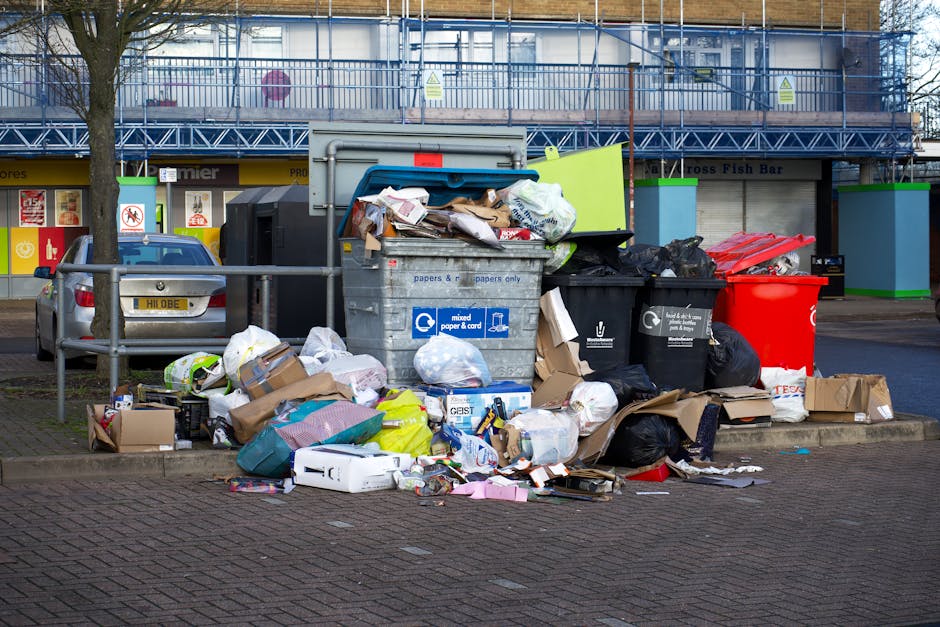
- Putting bulky items on the street without checking the proper process.
- Assuming electricals and white goods are treated like normal rubbish.
- Using an unlicensed collector because the price sounded convenient at the time.
- Underestimating the size of a clearance and ending up with more waste than expected.
There is also the classic "I'll deal with it later" mistake. We have all done it. A spare corner becomes a storage point, the storage point becomes a pile, and the pile starts to feel permanent. That is usually the point at which the council rules matter most, because unmanaged waste becomes visible very quickly.
For renovation jobs, do not forget that builders' waste is its own category. Bricks, plasterboard, rubble, timber offcuts, and packaging should not just be pushed into domestic bins. A dedicated route such as builders waste disposal in Chiswick is usually the more sensible choice.
Tools, Resources and Recommendations
You do not need a complicated toolkit, but a few simple things help a lot:
- Bag labels or tape to separate items before collection
- Basic gloves for handling sharp or dusty items
- Measuring tape for furniture and appliance clearances
- Black sacks and recycling boxes used consistently, not randomly
- A phone camera for records, access issues, or before-and-after photos
It also helps to know which support pages are most relevant to your situation. If you are moving house, clearing after a tenancy, or reducing clutter before works, the most useful starting points are often waste clearance in Chiswick, loft clearance, and garden waste removal. For readers who want to understand the broader business behind the service, services overview and waste carrier licence and compliance explain the standards that should sit behind any reputable removal option.
Law, Compliance, Standards, or Best Practice
Waste handling in the UK sits within a broader legal and best-practice framework, and that matters even when the task feels local and ordinary. The key idea is simple: waste must be stored, transferred, and disposed of responsibly. For householders, that usually means following collection rules and not leaving items in a way that creates nuisance or danger. For businesses, the duty of care is more formal, and records matter more.
In plain English, best practice means:
- putting waste out only as instructed
- keeping recyclables separate where required
- using authorised routes for bulky, electrical, or hazardous items
- checking that any private waste carrier is legitimate and appropriate
- keeping evidence of business disposal where necessary
White goods, mattresses, and construction debris deserve special caution because they are exactly the sort of items that create headaches when people try to improvise. If a service is handling those items, it should do so in a traceable and lawful way. When private removal is chosen, it should feel organised, not casual. That is a good rule of thumb, honestly.
Responsible waste practice also connects to recycling and sustainability. Not everything should be treated as rubbish if it can be separated, reused, or passed through a better disposal route. If you want to see how a provider frames that approach, the page on recycling and sustainability is a sensible place to look.
Options, Methods, or Comparison Table
People usually choose between council-led disposal, a specialist private collection, or a full clearance. Here is a simple comparison to help with that decision.
| Option | Best for | Strengths | Watch-outs |
|---|---|---|---|
| Council collection | Standard household waste and some bulky items | Familiar, structured, suitable for routine needs | May be less flexible for timing, access, or mixed waste |
| Private rubbish collection | Mixed loads, urgent jobs, awkward access, short notice | Fast, flexible, can handle a broader range of items | Needs careful provider choice and clear pricing |
| Full clearance | Lofts, homes, offices, end-of-tenancy, renovations | Efficient for large volumes, less lifting for you | Usually overkill for a few small bags |
For many Chiswick residents, the answer is not one method forever. It is choosing the right method for that one job. A couple of bin bags? Stick to the normal route. A garage full of broken furniture? Different story. A post-renovation load of mixed debris? Definitely different story.
Case Study or Real-World Example
Picture a resident in a Chiswick maisonette who has just finished a room refresh before a family visit. There is an old wardrobe in pieces, two broken dining chairs, cardboard from a new mattress, and several bags of clutter from the spare room. At first glance, it feels like "all rubbish." But once they sort it, the picture changes.
The cardboard can be flattened and recycled. The broken chairs and wardrobe need furniture disposal rather than a standard sack. The mattress may need separate handling. The small household clutter can go through the normal route if it fits the rules. That simple sorting saves space, keeps the hallway clear, and avoids leaving a messy pile outside the property for too long.
In situations like this, many people decide that a one-off collection is easier than trying to make everything fit the council schedule. If that sounds familiar, the relevant next step is often to compare clearance options with furniture disposal and domestic waste collection, then choose the route that matches the amount and type of waste rather than forcing it all into one box.
The lesson is pretty straightforward: a little sorting at the beginning saves a lot of dragging things around at the end.

Practical Checklist
Use this quick checklist before you put waste out or book a collection.
- Have I identified the waste type correctly?
- Can any of it be recycled or separated first?
- Does this item belong in normal household waste?
- Is it bulky, electrical, hazardous, or construction-related?
- Do I know the correct set-out time or booking method?
- Is the collection point clear and safe for pedestrians?
- Have I checked whether a licensed carrier is needed?
- Do I need photos, receipts, or records for my own protection?
- Have I measured access points for larger items?
- Would a dedicated collection or clearance actually save time?
Keep it simple. If a yes/no answer feels uncertain, treat that as a signal to slow down and check. Waste rules reward a little patience.
For readers dealing with a larger clean-up, you may also find the bulky waste disposal guide for locals and same-day rubbish removal in W4 useful when weighing speed against convenience.
Conclusion
Knowing what to know about Hounslow Council rules for waste in Chiswick is really about making everyday decisions easier. Once you understand the basics, the whole process becomes calmer: sort waste properly, use the correct route, avoid leaving items out incorrectly, and choose private help when the job needs more flexibility than the standard collection can give.
That approach protects your property, keeps shared spaces tidier, and reduces the kind of friction nobody wants on a weekday morning. It also gives you confidence, which is underrated. Waste might not be exciting, but getting it right feels good. Quietly good.
If you are handling a one-off clear-out, comparing options now can save a lot of hassle later. Get a free quote today and see how much you can save.
And if all you do after reading this is sort one corner of the room and book the right collection, that is already progress. Small wins count.

 Tipper Van - Rubbish Removal and Builders Waste Clearance Prices in Chiswick, W4
 Luton Van - Rubbish Removal and Builders Waste Clearance Prices in Chiswick, W4


