Turnham Green skip alternative rubbish removal options
Posted on 10/10/2026

If you need to clear rubbish in Turnham Green, but a skip feels awkward, overkill, or just plain impractical, you are not alone. A lot of people want a faster, tidier, more flexible way to deal with waste without having a large metal skip sitting outside for days. That is exactly where Turnham Green skip alternative rubbish removal options come in. They can be better for tight streets, busy schedules, smaller jobs, or situations where you want everything handled in one go.
In this guide, we will walk through how these alternatives work, when they make sense, what they can cost you in time and hassle, and the mistakes to avoid. We will also look at local considerations that matter in west London, because let's face it, a rubbish clearance plan that works in a quiet cul-de-sac can feel very different on a busier road near Turnham Green station.
Whether you are clearing a flat, a garden, a loft, office furniture, or builders' waste, the goal is the same: remove the mess without creating a bigger one. Simple enough. Not always simple in practice, though.
Why Turnham Green skip alternative rubbish removal options Matters
Skip hire is useful, but it is not always the best fit. In a place like Turnham Green, space can be tight, parking can be awkward, and you may not want the visual clutter or the admin of a permit. A skip alternative often gives you more control, especially if your waste is mixed, your timing is uncertain, or your property does not have an easy spot for a large container.
There is also the day-to-day reality of modern clearing jobs. People do not always have a full skip's worth of waste. They may have a sofa, a broken wardrobe, some bags from a loft cleanout, and a pile of cardboard that has been growing in the corner for weeks. You do not need a giant skip for that. You need a practical removal plan.
Another reason this topic matters is speed. Traditional skip use can involve delivery slots, collection dates, and permit questions. Alternative rubbish removal services can often be more responsive. That can be especially helpful after a tenancy ends, before decorators arrive, or when a garage suddenly becomes a walking route for everyone except the owner.
Key point: the best rubbish removal method is not the biggest one. It is the one that fits the job, the street, the schedule, and the type of waste. That sounds obvious, but people miss it all the time.
How Turnham Green skip alternative rubbish removal options Works
Most skip alternatives work on a simple principle: a team collects your waste directly, loads it, and takes it away for sorting, recycling, reuse, or disposal. Instead of leaving a skip outside your property, the removal happens in a shorter, more controlled window. That can mean less disruption and less waiting around.
In practice, the process often looks like this:
- You describe what needs removing, ideally with photos.
- The provider estimates the job size, access, and likely load.
- A collection time is booked, sometimes same day or next day if available.
- The team arrives, loads the waste, and clears the area.
- The waste is taken for appropriate handling, with recyclable materials separated where possible.
Some services are full-load removals, while others are smaller "man and van" collections. Some work for single bulky items, others for house clearances or builders' rubble. It is worth being precise about what you actually need, because vague descriptions tend to create awkward surprises later. Nobody enjoys those.
For example, a homeowner clearing out a loft might need mixed rubbish removal, while a small business refurbishing a room may need a more structured office clearance. Both are skip alternatives, but they are not the same job and should not be priced or planned as if they are.
Key Benefits and Practical Advantages
The main advantage of a skip alternative is flexibility. But that is only the starting point. There are several practical benefits that matter in real life, especially in an area where access and convenience can be tricky.
- No skip sitting outside for days: Useful if you do not want to block the road, the driveway, or the front of the property.
- Less hassle with permits: Depending on where a skip would go, permits may be needed. A direct collection often avoids that headache.
- Better for smaller or irregular loads: If your rubbish is bulky but not huge, a skip can be more than you need.
- Faster turnaround: Good for last-minute clearances, move-out deadlines, or pre-sale tidy-ups.
- More suited to mixed items: Furniture, appliances, bagged waste, and general junk can often be handled together, subject to the provider's rules.
- Cleaner for neighbours and pedestrians: Less roadside clutter, less chance of overflow, and fewer "what on earth is that doing there?" moments.
There is also a comfort factor. Many people simply prefer not to manage a skip. You do not have to fill it yourself, watch the weather, or think about whether someone has dropped something unsuitable into it. The job gets done, and the mess moves on. Nice and neat.
And truth be told, that peace of mind matters just as much as price for a lot of customers.
Who This Is For and When It Makes Sense
Turnham Green skip alternative rubbish removal options are a strong fit for people who need a practical, low-friction way to clear waste. They are especially useful if any of the following sound familiar:
- You live in a flat or maisonette with awkward access.
- You have limited off-street space.
- You are clearing a few bulky items rather than a mountain of rubble.
- You need the waste gone quickly.
- You want help lifting heavy or awkward objects.
- You would rather not arrange a skip permit or deal with roadside placement.
- You are managing a house clearance, tenancy handover, or end-of-build tidy-up.
They also make sense when the waste is mixed. A lot of domestic jobs are not one neat category. You might have furniture, some DIY offcuts, bags of old clothes, broken storage boxes, and a pile of junk from the spare room. A flexible collection service tends to suit that kind of real-world clutter much better than trying to guess the perfect skip size.
On the other hand, if you are clearing a large amount of heavy builders' rubble from a major renovation, a skip may still be the more practical choice. That is the honest answer. Not every job should be forced into a skip alternative just because it sounds convenient.
Step-by-Step Guidance
If you are choosing a skip alternative in Turnham Green, it helps to treat it like a small project. Nothing dramatic. Just a sensible little plan so the whole thing runs smoothly.
1. Sort the waste into rough groups
Start by separating what can stay, what can be reused, and what must go. Keep an eye out for anything special such as electrical items, paint, or sharp materials. You do not need a military-level system. Even a few piles will help.
2. Estimate the volume honestly
People often underestimate how much space old furniture, soft furnishings, and loose waste take up. A single wardrobe looks innocent until it is on the pavement beside two bin bags and a broken chair. If possible, take photos from a couple of angles. It helps with more accurate quoting.
3. Check access before booking
Think about stairs, narrow hallways, parking, and whether the team can get close enough to load efficiently. A job on the top floor of a converted house is not the same as a ground-floor garage clearance. Small detail, big difference.
4. Ask what is included
Some services include lifting, loading, and sweep-up. Others are more limited. You want clarity on what happens on the day, especially if there is heavy furniture or awkward access involved.
5. Confirm how the waste will be handled
Responsible providers should aim to reuse or recycle as much as possible, with disposal arranged according to accepted waste-handling practice. If a company is vague about this, ask more questions. You are allowed to ask.
6. Prepare the items for removal
Where practical, put smaller items into bags or boxes and move them to one accessible spot. That can reduce labour time and help the team work faster. It is a simple win.
7. Do a final sweep after collection
Once the waste is gone, check for screws, nails, cardboard scraps, or loose dust. The job is not quite finished until the area looks and feels properly clear. A quick sweep at the end saves faff later.
Expert Tips for Better Results
In our experience, the best rubbish removal jobs are the ones where the customer gives a little more detail than they think is necessary. A few extra notes often save time and money. Mention stairs, parking restrictions, awkward items, or anything sharp or fragile. It is not over-explaining. It is being helpful.
Here are a few tips that usually pay off:
- Photograph everything in natural light: A quick morning photo near a window often tells more than a rushed evening snap.
- Keep hazardous items separate: Do not mix them into general rubbish unless the provider has clearly said it is allowed.
- Break down flat-pack furniture where safe: Less air space means better loading efficiency.
- Think about timing: Mid-morning collections can sometimes work better than peak school-run or rush-hour windows.
- Ask about recycling routes: Reuse and recycling are not just nice extras; they are often part of better waste practice.
One small but useful habit: keep a notepad or note app list of what needs going. It sounds almost too simple, but it stops the classic "oh, and there was also that chair" moment as the van is pulling away.
If you are clearing a property for a sale or rental handover, the aim should be a clean, empty, neutral space. Not perfect. Just properly ready. That subtle difference matters.
Common Mistakes to Avoid
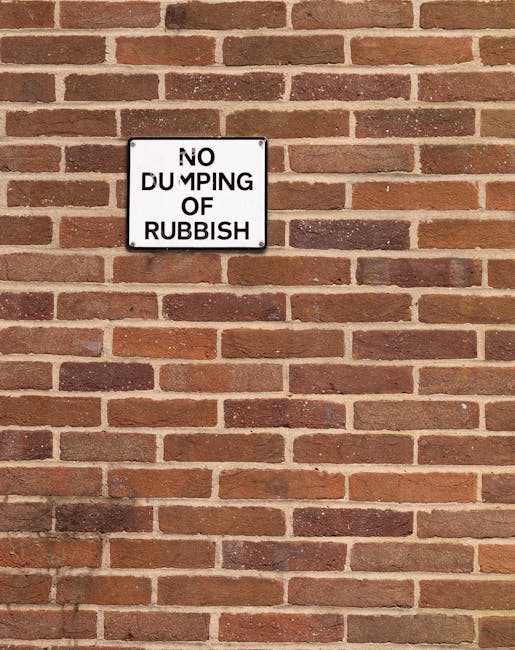
People usually do not make rubbish removal harder on purpose. They just underestimate how the job works. A few common mistakes come up again and again.
- Choosing only on price: The cheapest option can become expensive if it is slow, unclear, or not suited to the access.
- Giving vague descriptions: "A bit of rubbish" is not much help if there is a sofa, two mattresses, and a stack of damp bags.
- Mixing prohibited items with general waste: This can create delays or extra charges.
- Ignoring access constraints: Narrow stairs and limited parking are not minor details. They are the job.
- Assuming every item can go together: Different waste types may need different handling.
- Forgetting to ask about loading assistance: If you cannot move heavy items yourself, make sure that is built into the service.
There is also the classic mistake of waiting until the last minute and then expecting a complex clearance to happen instantly. Sometimes that works. Sometimes it really does not. A bit of notice usually makes the whole process calmer and smoother.
Tools, Resources and Recommendations
You do not need a lot of equipment for a successful skip alternative clearance, but a few simple tools can make a difference.
- Heavy-duty bin bags: For loose domestic waste and lighter mixed rubbish.
- Sturdy boxes or crates: Helpful for books, kitchen clutter, and small loose items.
- Tape, labels, and marker pens: Useful if you are separating what stays from what goes.
- Gloves and closed-toe shoes: Basic, but worth saying.
- Trolley or sack truck: Handy for heavier items if you are moving things to a pickup point.
- Phone camera: Photos are one of the best quoting tools you have.
For service-related pages on the same site, it can help to browse the broader services overview if you want to understand which removal options suit different types of waste. If your job is domestic, the dedicated domestic waste collection in Chiswick page is a useful place to start. For larger household clearances, house clearance in Chiswick and loft clearance in Chiswick cover two common scenarios very well.
If the job is more specific, you might also look at furniture removal in Chiswick, appliance disposal, or garden waste removal. Those pages can help you match the service to the actual mess, which is the sensible way to do it.
Law, Compliance, Standards, or Best Practice
Waste removal in the UK is not just a "load it and hope for the best" activity. Responsible handling matters. If you are clearing waste from a property, especially if it includes mixed materials, a provider should be able to explain how waste is collected, transported, and disposed of responsibly. If that sounds dry, fair enough, but it matters.
A few practical points are worth keeping in mind:
- Use a licensed waste carrier: This is basic due diligence. If a company cannot show the right compliance, that is a red flag.
- Keep records where appropriate: For business waste or larger clearances, paper trails can matter.
- Separate hazardous materials: Items such as chemicals, asbestos, and some electrical or paint-related waste may need special handling.
- Respect local access rules: Parking, obstruction, and loading restrictions can affect what is practical on the day.
- Choose safer lifting practices: Heavy items should be moved properly, not dragged down stairs with optimism and a prayer.
For a closer look at compliance and carrier standards, the site's waste carrier licence and compliance page is a sensible reference point. You can also read about insurance and safety if you want reassurance about how responsible removals should be approached. For pricing clarity, the pricing and quotes page is worth a look before you commit.
Good practice is simple: know what is being taken, know who is taking it, and know where it is going. Everything else is just noise.
Options, Methods, or Comparison Table
Not every skip alternative is the same. Some are best for a single item. Others are better for large mixed clearances. Here is a straightforward comparison to help you choose.
| Option | Best for | Main advantage | Potential drawback |
|---|---|---|---|
| Man and van rubbish removal | Mixed household waste, bulky items, flexible collections | Fast, convenient, minimal disruption | May be less economical for very heavy loads |
| Full house clearance | Entire properties, probate, end-of-tenancy clearances | Comprehensive and efficient | May be more service than you need for small jobs |
| Bulky item collection | Sofas, wardrobes, appliances | Ideal for one-off large items | Not suitable for larger mixed waste |
| Garden waste removal | Soil, branches, hedge cuttings, green waste | Specialist handling for outdoor waste | Not ideal for general domestic rubbish |
| Builders' waste collection | DIY debris, renovation offcuts, rubble mix | Suited to worksite-style waste | Heavy loads may still favour traditional skip hire |
That table should make one thing clear: the "best" option depends on the waste type and the access. A one-bedroom flat clearout is not the same as clearing a renovation's leftover rubble, and a good provider will usually say that honestly rather than pushing a one-size-fits-all answer.
If you want a waste clearance route that feels practical and straightforward, it can also help to compare the broader waste clearance in Chiswick and rubbish collection in Chiswick options. For commercial premises, commercial waste removal in Chiswick and office clearance in Chiswick are more appropriate starting points.
Case Study or Real-World Example
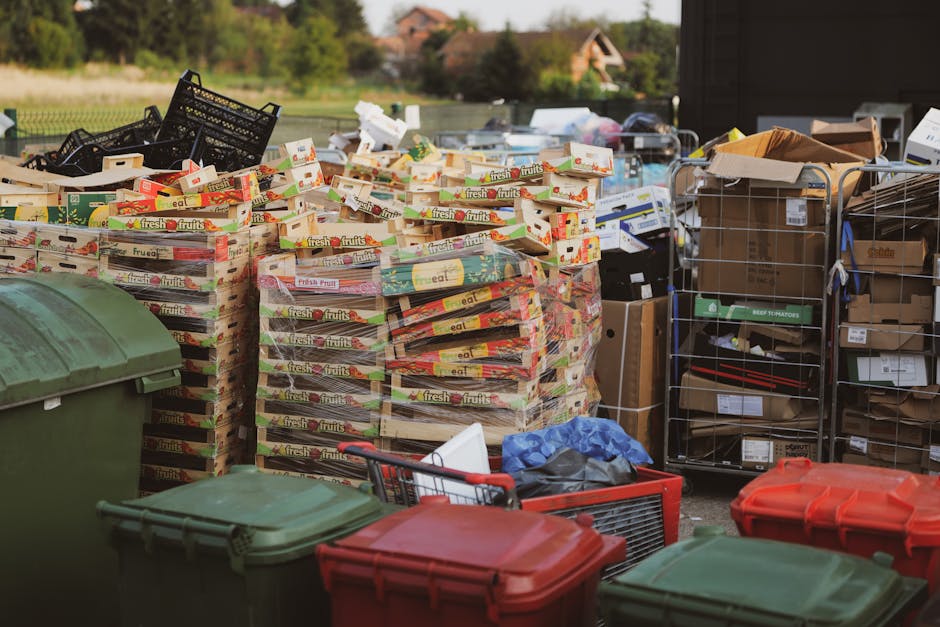
Picture a common Turnham Green scenario. A resident is moving out of a first-floor flat and has three bags of general rubbish, an old sofa, a broken shelving unit, and a few awkward boxes from the loft. There is no driveway, the stairwell is narrow, and the pavement outside is busy most of the day. A skip would need thought, space, and probably a permit discussion. Not impossible, just clunky.
In that sort of case, a skip alternative is often the cleaner option. The customer can send photos, agree a collection window, and have the waste removed without leaving a container outside for several days. The sofa and shelving are lifted, the loose waste is bagged, and the area is left clear enough for moving day. You can almost hear the room breathe again once the clutter goes.
Now compare that with a small renovation job where a builder is producing heavy rubble every day. Different picture. If the waste is constant, dense, and heavy, a skip may be more practical. That is why real-world judgement matters. One method is not "better" in all cases. It is better for a particular job.
And honestly, that kind of common-sense matching is where people save the most stress.
Practical Checklist
Use this checklist before you book any Turnham Green skip alternative rubbish removal option:
- Have I listed everything that needs to go?
- Have I separated reusable or donate-worthy items?
- Do I know whether the waste is mixed, bulky, garden, domestic, or builders' waste?
- Have I checked access, stairs, parking, and loading space?
- Do I have photos ready to share?
- Have I asked what is included in the service?
- Do I know whether lifting and loading are included?
- Have I confirmed how the company handles recycling and disposal?
- Have I checked compliance, insurance, and waste carrier details where relevant?
- Am I comparing like with like, rather than just chasing the lowest number?
If you can tick most of those boxes, you are in good shape. No need to overcomplicate it. A little clarity up front saves a lot of back-and-forth later.
Conclusion
Turnham Green skip alternative rubbish removal options are a smart choice when you want speed, flexibility, and less disruption than a traditional skip can bring. They work particularly well for mixed domestic waste, bulky items, house clearances, and situations where access is awkward or space is limited. The key is to match the method to the job, not the other way round.
If you take one thing away, let it be this: the best rubbish removal solution is the one that fits your property, your waste type, and your timing. Do that, and the whole process becomes far less stressful. A bit less clutter. A bit more breathing room. That is usually the real goal, after all.
Get a free quote today and see how much you can save.
And if you are still weighing up the right approach, that is perfectly fine. A good clearance plan should feel like a relief, not another chore on the list.

 Tipper Van - Rubbish Removal and Builders Waste Clearance Prices in Chiswick, W4
 Luton Van - Rubbish Removal and Builders Waste Clearance Prices in Chiswick, W4


